
Executive Summary | Knowledge, Skills and Attitudes | KSA One Pager
Executive Summary
My combined experience as a manager, educator, business owner, and entrepreneur across both the private and public sectors has equipped me to be a versatile and effective leader. The focus of my professional background has been within the emergency services and medical transportation industries. 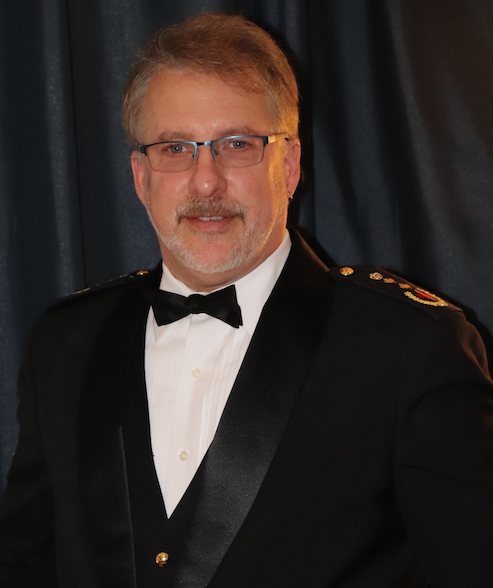 My specialized skill set enables me to provide expert service in all aspects of Paramedic Services—spanning urban, rural, northern rural, and wilderness environments—as well as in community paramedicine and non-urgent (non-ambulance) medical transportation. These skills readily translate to a wide range of health and non-health-related industries.
Recognized as a Certified Municipal Manager CMM III EMS Executive, my areas of expertise include operations, finance, Continuing Quality Assurance/Improvement (CQA/CQI), health and safety, education, supervision, and—one of my greatest passions—the development and mentorship of adult educators and emerging leaders.
This diverse background has refined my ability to manage people and foster professional growth in others—an ability that extends across sectors and disciplines. (See Donald Clifton's Strengths Finder for my top five strengths contributing to managerial excellence.) Being a manager has made me a better educator, and being an educator has made me a better manager. Teaching is fundamentally about communication, understanding, and providing guidance and direction for those we serve—qualities that are equally essential to effective management. This philosophy is reflected throughout my portfolio.
In addition to being a certified Primary Care Paramedic with eleven years of direct patient care experience, I have accumulated over nine years of mid- and senior-level management experience within Paramedic Services. My roles have included Field Superintendent, Quality Assurance Manager, Commander of Training, and Deputy Chief (A). Complementing this public sector experience, I spent ten years in the private sector as an industry pioneer, founding and operating a highly successful non-urgent medical transportation company.
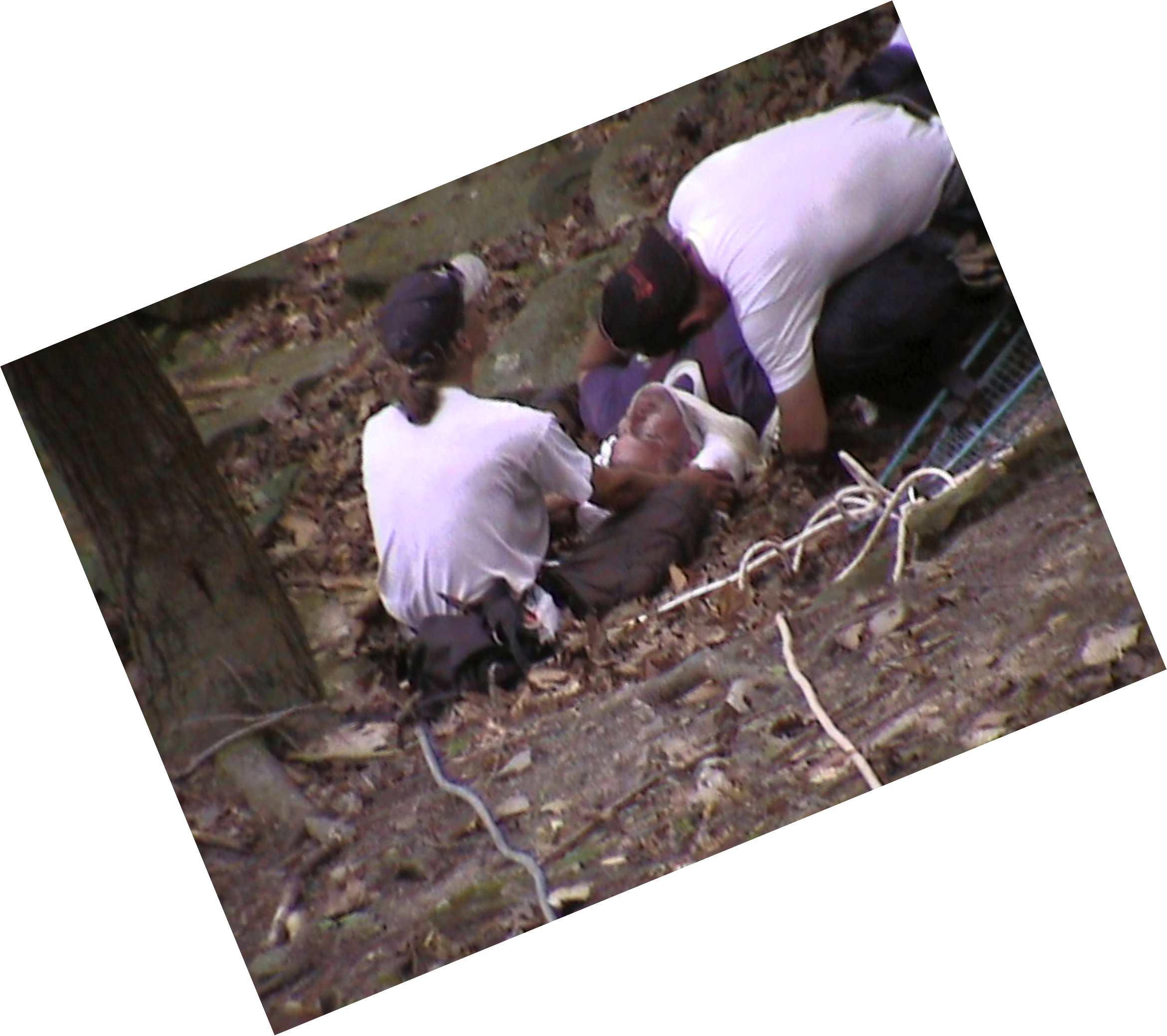 Between these experiences, I also served as Paramedic Program Coordinator and facilitator for the Canadian Therapeutic College, a Private Career College, for nearly three years. I am a certified Emergency Management Ontario (EMO) Incident Management System (IMS) Instructor, as well as an Instructor Trainer (IT) for all levels of First Aid and CPR
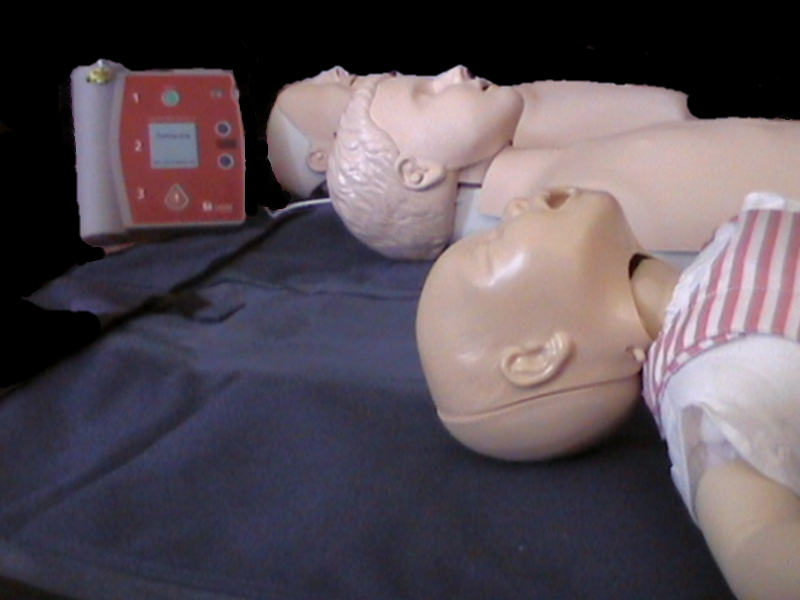 (basic to advanced, urban and remote). In addition, I have been certified to teach multiple wilderness rescue programs with the National Ski Patrol (NSP).
Currently, I am employed as a Project Manager and Educational Consultant with Premergency, a role that continues to expand my experience while providing the flexibility to pursue advanced academic study and serve first responders with La Cloche Trauma Institute.
Academically, I hold a Bachelors Degree in Clinical Practice, have completed multiple post-graduate courses in Adult Education from the University of Victoria, and earned the First Responder Trauma Prevention and Recovery Certificate at Simon Fraser University (2017–2020). I completed my Master's of Adult Education (MAdEd.) at St. Francis Xavier University (2017–2020), where my focus was on understanding how critical thinking and reflection foster transformational learning experiences. I also hold a Doctor of Community Care and Counseling:Traumatology (Ed.D.) from Liberty University, specialising in psychological health and safety, first responder mental well-being, and the development of resilient educational frameworks for the public safety sector.
My academic and professional affiliations include serving as a Senior Fellow with the McNally Project—a community of paramedic researchers committed to building research capacity within Canadian paramedicine—and as a Research Appraiser for the Paramedic Evidence-Based Practice (PEP) program at Dalhousie University. I also serve as Chair of the Ontario Paramedic Association (OPA) Wellness Committee and am a member of the Canadian Institute for Public Safety Research and Treatment’s (CIPSRT) Academic, Research, and Clinical (ARC) Network.
Knowledge, Skills, and Attitude
In addition to my work as a paramedic—where I was responsible for the provision of pre-hospital emergency medical services in accordance with all applicable legislation, regulations, standards, policies, and procedures—my professional and life experiences have afforded me a broad range of transferable skills and abilities.
My résumé outlines my professional experience but does not fully capture the depth of learning gained through that experience, nor how these abilities are applied in practice. For instance, my capacity to prioritize and manage time effectively stems from years of leadership and self-employment, while my ability to make sound decisions under pressure is rooted in my paramedic background. These competencies, while evident to those familiar with my work, are not always explicitly stated in a traditional résumé format.
To better represent the breadth and integration of my learning, I have categorized my combined experience into nine distinct areas, each outlining the knowledge, skills, and attitudes I have developed and applied in practice. While described individually, these categories collectively illustrate my abilities as a highly skilled educator, leader, and manager.
Human Resources | Project Planning | Professional Standards | Operations | Public Relations | Technology | Education | Research | Finance | Attitudes| New Horizans | KSA One Pager
Human Resources
Throughout my career, I have developed a deep understanding of people within both employer/employee and teacher/student paradigms. One of the most challenging tasks in any organization or program begins with hiring or intake: identifying candidates with the right balance of intrinsic motivation, skill, and knowledge to support success.
Once individuals are employed or enrolled, I have learned that effective supervision extends far beyond scheduling, monitoring performance, or ensuring safety. Ongoing support, guidance, and encouragement in continuous improvement are essential, not only to prevent complaints, grievances, or disciplinary action but also to create an environment where employees and students thrive. This includes active listening, clear communication, goal-setting, and providing timely, constructive feedback.
While these tasks fall under traditional human resources responsibilities, my approach goes further: I manage with the mindset of equipping staff and students for success, fostering a positive workplace and learning culture. This philosophy aligns with my belief that effective leadership requires serving the needs of others. Employees and learners require not only direction but also safety, resources, education, and ongoing supervision to perform at their best.
Integral to this approach are fairness, honesty, diplomacy, and tact. These principles have guided my experience in management, union contract negotiations, and participation on Employee Relations Committees (ERCs), demonstrating how sound human resource practices support both operational success and personal development.
Back to Knowledge, Skills and Attitude
Project Planning/Management
My combined practical and academic experience has equipped me with strong project planning and program management skills. In this context, a project is a defined task requiring coordination and management within a set timeframe, while program planning involves creating and implementing educational programs as components of a larger project. (This differs from corporate usage, where a program may comprise multiple related projects.)
I regularly apply knowledge from both practice and academia to develop complex projects. This includes conducting needs analyses, identifying resources, coordinating and supporting human resources, creating policies and procedures, developing educational programs, implementing and monitoring projects, and completing them with evaluation, feedback, and reporting.
Some examples of projects I have led include:
- PTSD Prevention Plan and Peer Support Program for Manitoulin-Sudbury DSB Paramedic Services.
- Community Paramedicine Programs: Investigating, designing, and implementing program components for three Paramedic Services in Northeastern Ontario.
- Paramedic Education Program: Creating, implementing, and managing a two-year college-level program for Canadian Therapeutic College.
- Medical Non-Urgent Transportation Service: Launching a successful business with 20 staff, six vehicles, and annual revenues approaching $1 million.
Through these experiences, I have honed skills in organization, planning, evaluation, problem-solving, and innovation. I am comfortable managing both single projects and multi-component programs, integrating resources, personnel, and timelines to achieve objectives efficiently and effectively.
Back to Knowledge, Skills and Attitude
Education and Educational Program Planning
Education and program planning are closely linked components of adult education facilitation. While delivering content is central, effective education also requires thorough planning, development, and subsequent evaluation.
My extensive practical experience and formal academic training have allowed me to develop, deliver, and evaluate educational programs for paramedics, other first responders, allied agencies, and the general public. I draw on both informal learning—gained through years of hands-on experience—and formal learning from my postgraduate studies, using this combination to create programs that are relevant, engaging, and evidence-informed.
As I note in my Philosophy section, I identify as a facilitator rather than a teacher, reflecting my belief that adults learn best through experience, self-direction, and peer collaboration. My facilitation approach is creative, participatory, and learner-centered, emphasizing practical application and critical reflection.
Examples of my educational work can be found under the Facilitating tab, highlighting the range of programs I have developed, implemented, and evaluated. This experience has strengthened my ability to translate complex knowledge into accessible learning, foster peer-to-peer learning, and create transformational learning experiences that enhance both personal and professional growth.
Back to Knowledge, Skills and Attitude
Professional Standards
Paramedicine is a highly regulated field, governed by legislation, regulations, and professional standards. Words and phrases within these documents can carry nuanced meanings, making careful interpretation essential. I have developed a strong ability to read, understand, and apply these requirements both as a practicing paramedic and as a manager ensuring compliance across a team.
In practice, this means maintaining legislated qualifications, ensuring paramedic practice meets regulatory standards, and developing programs or audits to uphold professional expectations. For example, auditing paramedic documentation not only informs individual performance but also supports organizational compliance and quality assurance. These responsibilities often intersect with other areas, such as Human Resources—monitoring qualifications—and Project Planning—developing standardized documentation systems in collaboration with certifying Base Hospitals.
My skill lies in balancing attention to detail with a broader organizational perspective, ensuring that professional standards are consistently met while fostering a culture of accountability, excellence, and continuous improvement. This ability motivates me to take on complex challenges and supports my effectiveness in leadership, education, and operational roles.
Back to Knowledge, Skills and Attitude
Operations
Although the Operations category may appear concise when listed, it often represents the busiest and most dynamic aspect of my work. Many operational tasks overlap with other areas such as Human Resources, Project Planning, and Public Relations, but within Operations, the context is immediate and high-stakes.
Planned tasks include committee participation (e.g., Health & Safety, stakeholder meetings), policy and procedure development, vehicle maintenance, and inventory management of paramedic equipment. Unplanned tasks, often requiring urgent attention, include vehicle or equipment breakdowns, labor-management issues, health and safety incidents, and emergency deployment challenges.
My experience has cultivated the ability to think critically, make decisive judgments, and respond calmly under pressure. I can integrate pre-planned activities with real-time operational demands, ensuring smooth and effective service delivery regardless of circumstances. The capacity to manage operations successfully comes not only from handling individual tasks but also from synthesizing and coordinating multiple functions simultaneously, a skill that distinguishes effective operational leadership.
Back to Knowledge, Skills and Attitude
Public Relations
As a paramedic and paramedic manager, public relations is an inherent part of daily responsibilities. Interactions extend across a wide range of stakeholders, including Central Ambulance Communications Centre, police, firefighters, hospital staff, Ministry of Health officials, unions, Employee Relations Committees (ERCs), municipalities, First Nations Band Councils, and other collaborative committees.
Through my private sector experience, I developed expertise in marketing, promotion, negotiation, and customer service, skills that complement my public sector roles. This experience has honed my ability to communicate clearly, collaborate effectively, and foster productive relationships with diverse stakeholders.
Demonstrating open-mindedness, respect, sincerity, and honesty has been central to accomplishing common goals and streamlining processes. Decades of experience across 18 municipalities and 13 Indigenous communities, coupled with managerial responsibilities, have strengthened my reliability, accountability, and organizational skills. Public relations, in this context, is not only about communication but also about creating trust, demonstrating professionalism, and facilitating efficient, effective collaboration.
Back to Knowledge, Skills and Attitude
Technology
Technology is integral to nearly every aspect of modern work, and my experience spans a broad spectrum of technological systems and tools. I have developed expertise in medical technology, web design, and complex database-driven documentation systems, including data analysis tools like Tableau. I am proficient in learning management systems (LMS) such as Moodle, as well as content management systems (CMS) like SharePoint, WordPress, and Drupal—the platform used for this portfolio.
In addition, I am skilled in both Windows and Mac operating systems, the Microsoft Office suite, and design software, including Adobe Illustrator, Articulate, H5P, VideoScribe, and iMovie. My ability to adopt, learn, and implement new technologies enhances my effectiveness as both a manager and educator, supporting efficient workflows, innovative solutions, and high-quality educational delivery.
Back to Knowledge, Skills and Attitude
Research
Research has been a central component of my professional practice, informing decision-making, program development, and evidence-based practice. From starting a medical transportation service from the ground up—requiring legal, financial, and needs-based research—to evaluating educational programs, medical devices, and clinical practices, research has consistently guided my work.
My research experience spans both applied and academic contexts. I served as a Research Appraiser for the Prehospital Evidence-Based Practice (PEP) program at Dalhousie University and am a Senior Fellow with the McNally Project, a community dedicated to building research capacity within paramedicine. The McNally Project emphasizes collaboration, mentorship, and the dissemination of knowledge to advance paramedic practice and research.
In addition, my academic research has focused on adult education, transformational learning, and paramedic resilience. My Master’s research examined critical thinking and reflection in adult learning, while my Doctoral studies explore the interplay of narrative identity, spirituality, worldviews, and social connections in fostering resilience among paramedics (see the Research tab above). These experiences have strengthened my skills in planning, ethical reasoning, critical analysis, and evaluation, and have reinforced the importance of evidence-informed practice.
Research is not isolated—it intersects with project planning, education, operations, and professional standards, providing a foundation for informed decision-making, innovative solutions, and continuous improvement across all areas of my work.
Back to Knowledge, Skills and Attitude
Finance
Throughout my career, I have gained extensive experience in financial management across both private industry and public service contexts. This includes accounting, payroll, accounts payable/receivable, budgeting, and corporate reporting, as well as participation in tendering and RFP processes. I have successfully managed seven-figure budgets and have been responsible for ensuring fiscal accountability, accuracy, and transparency in all financial activities.
In the private sector, I oversaw the financial operations of a non-urgent medical transportation service I founded, including revenue forecasting, expense management, and strategic planning, growing the business to employ 20 staff and operate six vehicles while generating close to $1 million in annual revenue. In the public sector, I have applied similar principles in managing departmental budgets, cost analyses, and financial reporting to municipalities and regulatory bodies.
My understanding of finance extends beyond routine management to the strategic use of financial data to support decision-making, program development, and resource allocation. This expertise allows me to evaluate the feasibility of projects, optimize operational efficiency, and ensure sustainable practices in both health-related and non-health industries.
Finance, as a knowledge domain, intersects with project planning, operations, and human resources, providing the quantitative backbone that supports organizational goals, program development, and evidence-informed decision-making.
Back to Knowledge, Skills and Attitude
Attitudes
Attitudes reflect the culmination of my experience, knowledge, and skills. I am a dedicated, creative, and ethical team member, guided by integrity, fairness, and a servant-leadership philosophy. I approach work with honesty, care, and a focus on equipping others for success. I am strategic, innovative, and detail-oriented, excelling as both a problem solver and an investigator.
I work effectively both independently and collaboratively, demonstrating flexibility and adaptability when evidence suggests a better approach. I am motivated by challenge, yet maintain balance between work and leisure, embracing a sense of adventure and curiosity. I am perceptive, self-aware, and maintain a positive outlook, seeing each day as an opportunity not only for personal growth but to positively impact others.
My ability to communicate effectively and engage audiences with charisma and humor enhances my presentations, workshops, and teaching engagements. I am committed to lifelong learning, understanding that continual development is essential to maintaining these attitudes and supporting excellence as a manager, educator, and facilitator.
Back to Knowledge, Skills and Attitude
Applied Academic Experience: Trauma, Resilience, and First Responder Support
My academic journey—spanning a Master’s of Adult Education (MAdEd.) and my current Doctor of Community Care and Counseling (Ed.D.) specialization in Traumatology—has deepened my understanding of how trauma impacts individuals and communities, particularly first responders. Through rigorous research, critical reflection, and analysis of narrative identity, spirituality, and worldviews, I have developed a nuanced understanding of the interplay between personal experience, social connections, and resilience.
This academic foundation complements and enhances the insights I have gained through years of frontline paramedic work, management, and adult education. Experiencing trauma in high-stakes environments firsthand and supporting others through critical incidents has given me practical knowledge of how resilience can be fostered through peer support, reflective practice, and structured learning interventions.
I apply these combined insights directly through my work with La Cloche Trauma Institute, where I help first responders, their families, and first responder organizations navigate the impact of trauma. At La Cloche, we provide evidence-informed programs and support, including one-on-one trauma counseling, peer support facilitation, chaplain services, resiliency workshops, and consulting for organizations on PTSI/PTSD prevention, psychological health, and safety strategies. My role bridges research and practice, ensuring that the programs and strategies we implement are grounded in both lived experience and the latest academic evidence, promoting sustainable resilience and wellness across first responder communities.
Back to Knowledge, Skills and Attitude
Charles Sturt University. (2017 April 28). Charles Sturt University. [Image] Embedded from http://www.csu.edu.au
St. Francis Xavier University. (2017 April 28). St. Francis Xavier University. [Image] Embedded from http://www.stfx.ca